what are the important factors that are important for an ecosystem to stay balanced
Earth has a wide multifariousness of ecosystems that maintain its part and make information technology wondrous. While most of us are familiar with the term "ecosystem", a lot of people may be unsure nigh what that term actually ways. And that's understandable — several dissimilar definitions are often used for the same term. However, the best all-encompassing definition for an ecosystem is all of the living organisms (plants, animals, and bacteria) and the nonliving components (air, water, soil, atmospheric condition) that interact with each other as a organisation. The size of an ecosystem tin range from a small tide puddle to a behemothic desert. All the members of the arrangement are interconnected, so the loss or change of 1 factor tin can accept large effects rippling through the entire ecosystem.
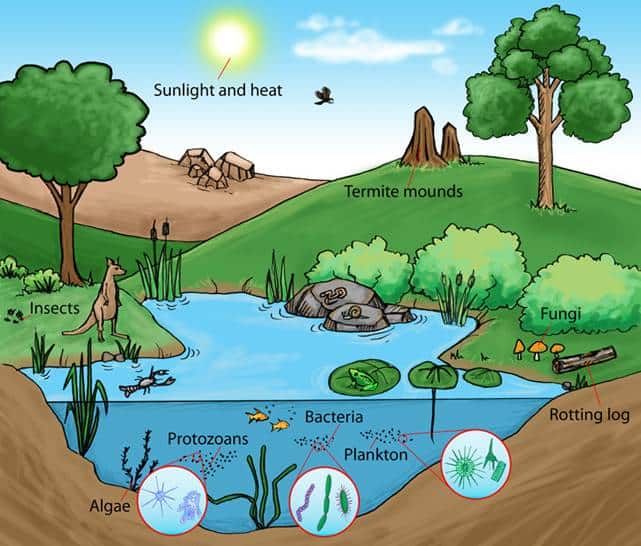
External and internal factors
Free energy enters an ecosystem from the dominicus, which plants utilize, equally well as carbon dioxide, which is used for photosynthesis. Animals eat the plants, moving the energy and matter through the ecosystem. When organic matter dies, decomposers break information technology down, releasing carbon dioxide dorsum into the temper.
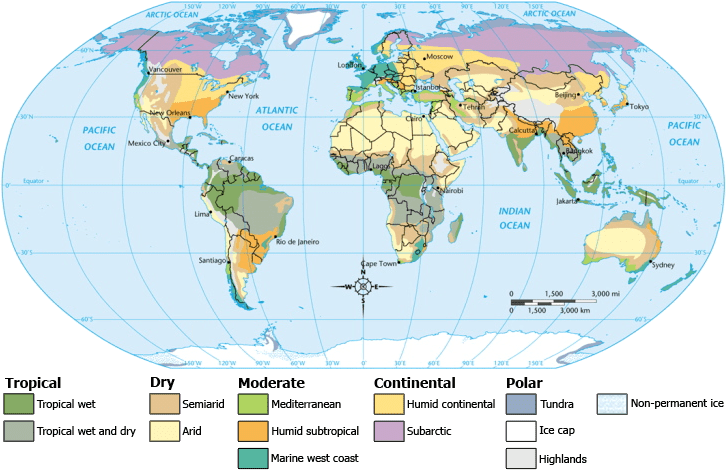
Other larger external factors determine an ecosystem's climate, fourth dimension, topography, and textile at the earth's surface — these factors are non influenced past the ecosystem itself; they only exist. Rainfall and temperature make up one's mind the amount of h2o and free energy available to a arrangement. Climate determines what sort of biome an ecosystem is in — these factors brand ane region a desert, another one fertile land, and another one a lake.
Internal factors change how unlike species interact with each other. For example, if one species contracts a disease and dies off, it affects the whole organisation. These factors both control and are controlled by ecosystem interactions. In this way, at that place are different from external factors.
Different types
Ecosystems are often a part of a larger biome, which should not be confused with an ecosystem: biomes are big areas of land based broadly on climate blazon and the species present. They are not based on the interactions between living and nonliving parts of a system.
An ecosystem is defined equally such because the species that interact form a network that depends on the environment. So a wood, such every bit the Amazon rainforest, can host many dissimilar ecosystems: a soil ecosystem, an understory ecosystem, a awning, and a forest flooring ecosystem. All the members of each organization interact with one another and form a closed system.
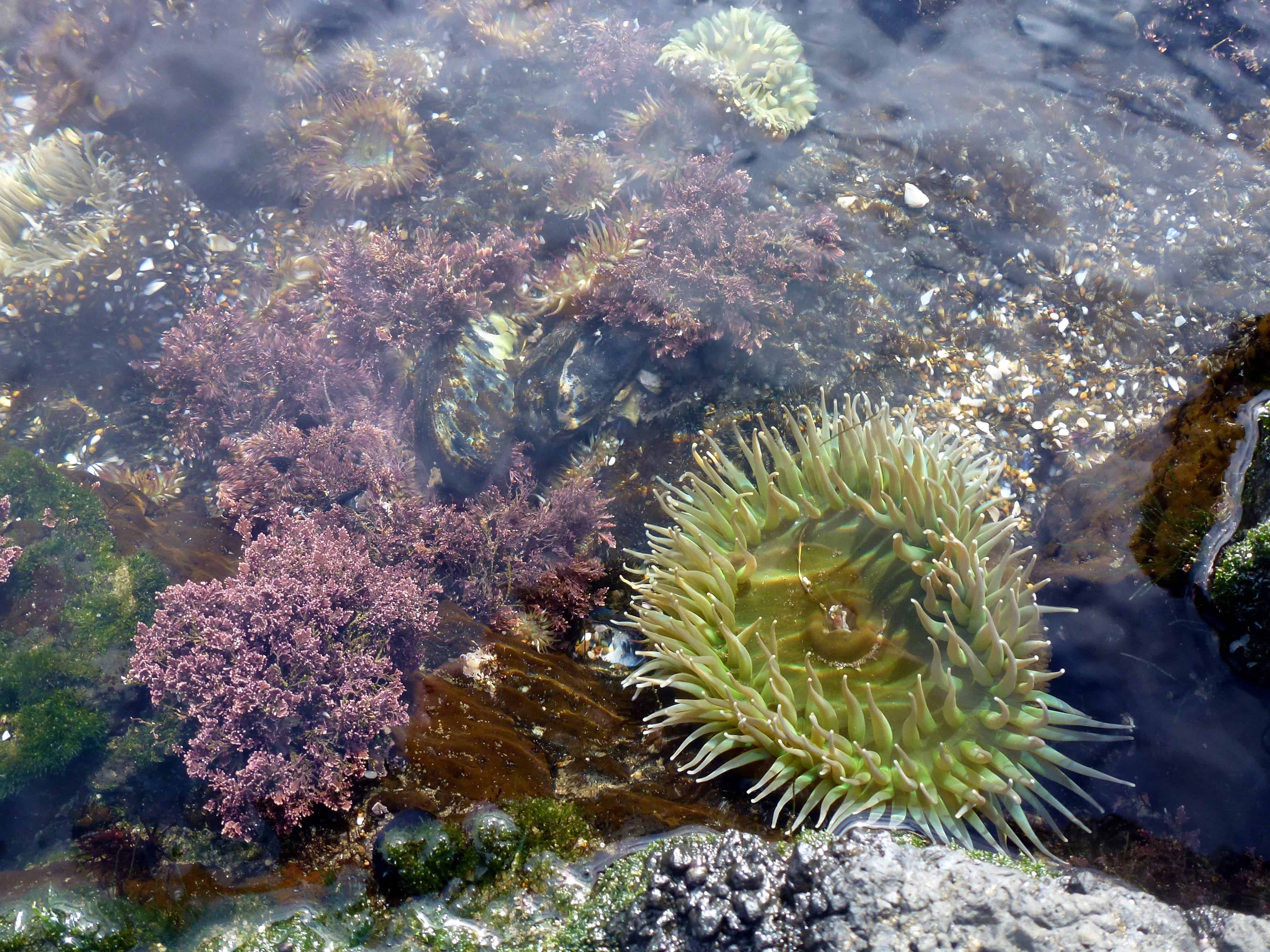
Ecosystems are dynamic: they tin can change based on external or internal factors. The variation in climate tin cause situations such as droughts, where all merely the most resistant plants die. The animals and microorganisms that depend on these plants would also be affected. New species sometimes too go far. For example, a new bird that eats a certain insect tin come to an area. That insect will now be less abundant and affect the plants that it used to feed upon also as the other animals that swallow this plant. The animals and plants that alive in an ecosystem are perfectly suited to these detail living conditions. Changes in external factors, similar temperature, can change the plants grow and, therefore, the animals that eat the plants might adapt, movement, or die in response.
Ecosystem services
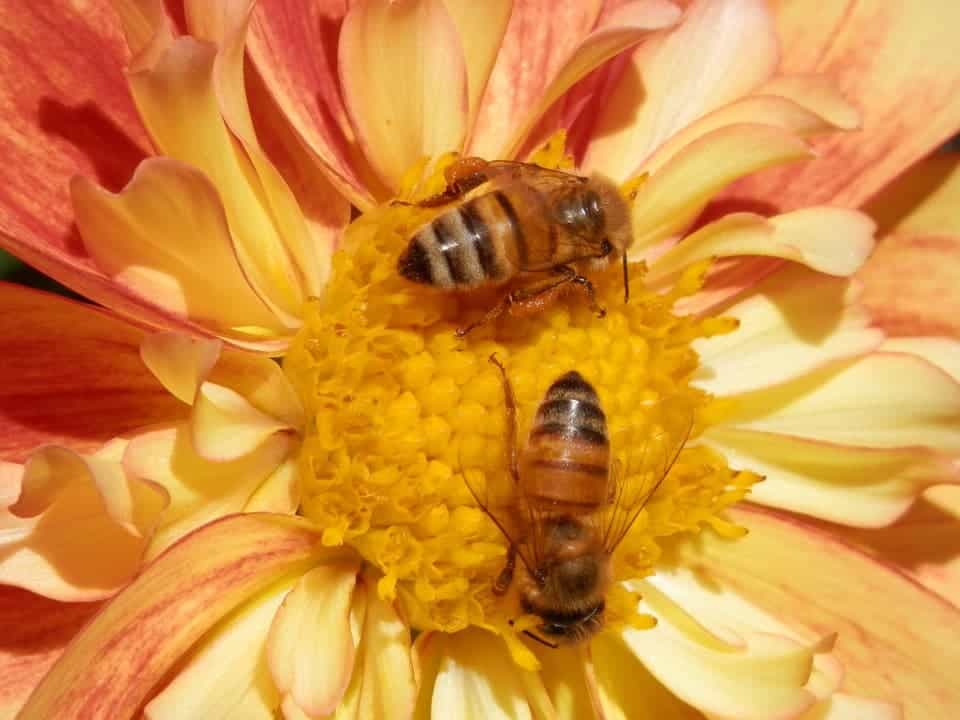
The normal functioning of an ecosystem provides humans with an abundance of services that we depend upon or that can significantly amend our quality of life. For instance, pollination is necessary for near 75% of our crops, copse provide us with timber, and the oceans provide us with fish. The list of ecosystem-provided services is very, very long and includes several more than nuanced entries that we tend to take for granted, like clean air, a stable climate, and condom drinking water.
Human influence
Human activeness is currently disrupting a large number of ecosystems. For example, past removing virtually of the fish from the ocean, the whole food chain and system are disrupted and tin no longer function properly. The result is running out of certain types of seafood that nosotros enjoy. Introducing invasive species likewise influences ecosystems considering these invasive species outcompete several of the native species that are necessary for the system to work properly.
On a larger scale, humans are even capable of influencing external factors. By causing the earth to warm via increased carbon dioxide emissions, it influences which plants and animals tin alive where. It is true that new species oft enter ecosystems and that climate tin can naturally fluctuate only the current changes are then frequent and sudden that the ecosystems cannot suit to new equilibrium. We are besides shooting ourselves in the foot because disrupting ecosystems could have disastrous effects on ourselves: no pollination and hence few crops, bad air quality, fewer fish, and contaminated water are just a few examples. Maintaining the residual of the ecosystem benefits us personally.
morrisonyousintor.blogspot.com
Source: https://www.zmescience.com/ecology/ecosystems-what-they-are-and-why-they-are-important/
0 Response to "what are the important factors that are important for an ecosystem to stay balanced"
Post a Comment